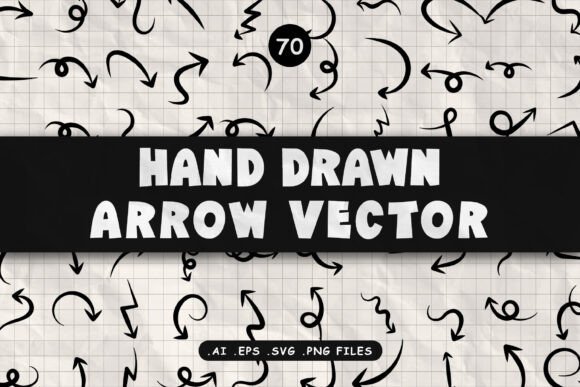
Hand Drawn Arrows: A Versatile Design Element for Modern Creatives
Hand Drawn Arrows are more than just simple graphic symbols—they're a powerful tool that can enhance the visual appeal and functionality of a wide range of projects. Whether you're designing a website, creating social media content, or developing an infographic, these arrows offer a unique blend of creativity and clarity. Their handcrafted look adds a personal touch that digital vectors often lack, making them ideal for both professional and casual use.
Why Hand Drawn Arrows Matter in Design
Designers and creators often turn to Hand Drawn Arrows for their ability to guide attention, simplify complex information, and add a human element to otherwise sterile layouts. Unlike standard arrow shapes, which can feel generic or overly technical, hand-drawn versions bring a sense of warmth and approachability. This makes them particularly effective in educational materials, marketing campaigns, and user interface elements where engagement is key.
For instance, a blog post with Hand Drawn Arrows can help readers navigate through sections more intuitively. In a map or diagram, these arrows can highlight paths or directions without appearing too rigid. The versatility of this design element means it can be adapted to fit almost any visual style, from minimalist to whimsical.
Common Mistakes When Using Hand Drawn Arrows
Despite their benefits, many users make critical errors when working with Hand Drawn Arrows. One of the most common mistakes is choosing low-resolution files. While it might seem like a minor detail, using a file with insufficient resolution can lead to pixelation, especially when scaling up for print or large digital displays. Always check that the images are at least 300 DPI to ensure sharpness and clarity across all mediums.
Another frequent oversight is not considering the file format. Hand Drawn Arrows are often available in multiple formats, such as AI, EPS, SVG, PNG, and more. Each format has its own strengths. For example, SVG files are excellent for web use due to their scalability, while PNGs are ideal for static images. Choosing the wrong format can limit your flexibility and affect the final outcome.
How to Avoid These Pitfalls
To avoid these issues, start by verifying the specifications of the Hand Drawn Arrows you plan to use. Look for high-resolution options and confirm that the file types match your intended application. If you're unsure about the best format for your project, consider consulting a design expert or testing different options before finalizing your choice.
Additionally, pay attention to the color and layer organization of the files. Well-organized layers make it easier to edit and customize the arrows to fit your specific needs. If the layers are cluttered or poorly labeled, it could slow down your workflow and lead to unnecessary frustration.
Key Considerations Before Using Hand Drawn Arrows
Before incorporating Hand Drawn Arrows into your work, take time to evaluate how they will integrate with the rest of your design. Ask yourself: Do these arrows align with the overall aesthetic? Will they improve readability or navigation? Are they appropriate for the audience you're targeting?
For example, if you're designing a children's book, a playful set of Hand Drawn Arrows might be perfect. However, if you're creating a corporate presentation, a more subtle and professional style may be better suited. Understanding the context of your project is essential for making the right choices.
Best Practices for Maximizing Hand Drawn Arrows
Once you've selected the right Hand Drawn Arrows, there are several ways to get the most out of them. First, experiment with different colors and sizes to see how they interact with other elements in your design. Don't be afraid to adjust the layout or combine them with other icons or graphics for a more cohesive look.
Also, consider the cultural and contextual meanings of arrows. In some cases, certain arrow styles may have specific connotations that could influence how your audience interprets your message. Being mindful of these nuances can help you avoid unintended miscommunication.
Realistic Examples of Effective Use
Take a look at how businesses and designers have successfully used Hand Drawn Arrows. A travel blog might use them to illustrate routes on a map, while a tech startup could use them to guide users through a product demo. In both cases, the arrows serve a clear purpose and enhance the user experience.
Another example is a marketing campaign that uses Hand Drawn Arrows to highlight key features of a service. By drawing attention to important details, these arrows can increase engagement and improve conversion rates. The key is to use them strategically rather than as a decorative afterthought.
Final Thoughts on Hand Drawn Arrows
Hand Drawn Arrows are a valuable asset for anyone involved in design, marketing, or content creation. When used correctly, they can elevate the quality of your work and make your visuals more engaging. However, it's important to approach them with care, ensuring that you select the right files, understand their limitations, and apply them thoughtfully.
By avoiding common mistakes and following best practices, you can unlock the full potential of Hand Drawn Arrows and create designs that are both functional and visually appealing. Whether you're a beginner or an experienced designer, taking the time to learn about these elements can make a significant difference in your creative output.