Open Hand Gesture: A Powerful Visual Symbol
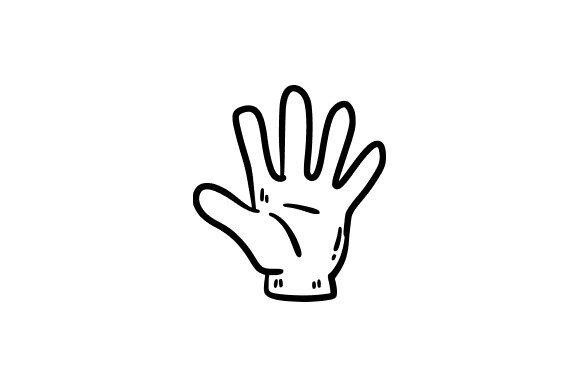
The Open Hand Gesture is more than just a simple illustration—it's a versatile and meaningful visual that can enhance a wide range of creative projects. Whether you're designing for print, web, or digital media, this gesture offers a clean, recognizable shape that conveys openness, welcome, and connection. Its simplicity makes it adaptable across different styles and contexts, making it a valuable addition to any designer's toolkit.
What Is the Open Hand Gesture?
The Open Hand Gesture typically features an outstretched hand with fingers spread apart, often symbolizing offering, welcoming, or reaching out. This image has deep cultural and emotional significance, representing hospitality, generosity, and inclusion. In design, it serves as a powerful nonverbal communication tool that can quickly convey positive intentions without the need for text.
Unlike more complex icons, the Open Hand Gesture is easy to recognize and interpret. Its clarity ensures that it works well in various sizes and formats, from small app icons to large promotional banners. This makes it a practical choice for designers looking for a symbol that remains effective at any scale.
Key Characteristics and Strengths
One of the standout qualities of the Open Hand Gesture is its versatility. It can be stylized in numerous ways—whether minimalist, realistic, or abstract—making it suitable for a wide array of design aesthetics. The gesture also lends itself well to color variations, allowing it to fit into different brand palettes or visual themes.
Another strength is its universal appeal. Unlike some symbols that may carry specific cultural meanings, the Open Hand Gesture is widely recognized across many societies. This makes it an excellent choice for global campaigns, educational materials, or inclusive branding efforts.
Additionally, the gesture’s clean lines and open structure make it ideal for vector-based formats like SVG and EPS. These formats ensure that the image maintains sharpness and clarity regardless of how it’s scaled, which is crucial for professional design work.
Practical Applications Across Industries
Designers, marketers, and content creators can find countless uses for the Open Hand Gesture. In print design, it can serve as a logo element, a background pattern, or a decorative accent. For web design, it can be used as a button icon, a loading indicator, or a call-to-action element. Its simplicity also makes it perfect for infographics, where clear visual cues help guide the viewer’s attention.
In marketing, the gesture can reinforce messages of trust, collaboration, and support. It’s often used in campaigns promoting community initiatives, social causes, or customer service-oriented brands. In presentations, it can be an effective visual metaphor for ideas being shared or opportunities being offered.
Educators and trainers might use the Open Hand Gesture in learning materials to represent concepts like sharing knowledge, encouraging participation, or fostering inclusivity. For hobbyists and independent creators, it can be a fun and expressive element in stickers, posters, or personal projects.
Benefits of Using the Open Hand Gesture
From a usability standpoint, the Open Hand Gesture is highly effective. Its straightforward form reduces cognitive load, allowing viewers to understand its meaning quickly. This is especially important in user interface design, where clarity and efficiency are key.
From a branding perspective, the gesture can help establish a consistent visual language. When used strategically, it can reinforce a brand’s values—such as openness, innovation, or community engagement. This subtle yet powerful association can strengthen brand identity and customer perception.
For designers, the gesture offers flexibility in implementation. It can be combined with other elements, such as text, shapes, or illustrations, to create layered compositions. Its adaptability makes it a go-to choice for projects that require both functionality and aesthetic appeal.
Choosing the Right Format for Your Needs
When working with the Open Hand Gesture, selecting the right file format is essential. SVG (Scalable Vector Graphics) is ideal for digital projects that require high-quality, resolution-independent images. It allows for easy editing and customization, making it a favorite among web and graphic designers.
EPS (Encapsulated PostScript) is a preferred format for professional print work, especially when using Adobe Illustrator or similar design software. It maintains crisp edges and detailed lines, ensuring that the gesture looks sharp on physical materials like brochures, business cards, or signage.
JPG files offer high-resolution images that are great for everyday use, such as website backgrounds or social media posts. They provide good quality while keeping file sizes manageable.
Transparent PNGs are perfect for overlays, digital collages, or quick edits. Their ability to blend seamlessly with different backgrounds makes them a popular choice for web and mobile design projects.
Real-World Examples and Recommendations
Consider using the Open Hand Gesture in a charity campaign to visually represent the idea of giving. Or, incorporate it into a wellness app to symbolize support and encouragement. In a classroom setting, it could be part of a lesson plan about empathy and teamwork.
For businesses, the gesture can be a subtle but effective way to communicate values. A tech startup might use it in their branding to emphasize collaboration, while a retail store could use it in window displays to invite customers in.
When implementing the Open Hand Gesture, consider the context and audience. Ensure that the design aligns with the overall message and visual style. Test it in different settings to see how it performs in terms of visibility, clarity, and impact.